
Get Back on Your Feet with Expert Physiotherapy at MacFarlane Physiotherapy
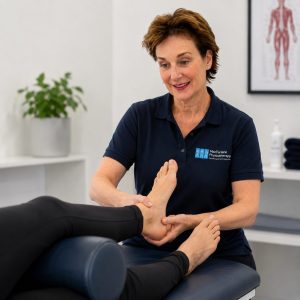 Are you struggling with heel pain, especially first thing in the morning or after long periods of standing or walking? You could be suffering from plantar fasciitis, one of the most common causes of foot pain — and one we treat regularly at MacFarlane Physiotherapy in Stirling.
What is Plantar Fasciitis?
Plantar fasciitis is an irritation or inflammation of the thick band of tissue (the plantar fascia) that runs along the bottom of your foot, connecting your heel bone to your toes. It typically causes a sharp, stabbing pain near the heel, especially with your first steps in the morning.
Common Symptoms:
- Sharp heel pain, especially on first steps in the morning
- Pain after prolonged standing or walking
- Tenderness under the heel
- Increased discomfort after exercise (not during)
Shockwave therapy
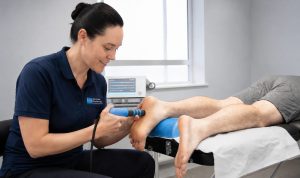 Shockwave therapy is a non-invasive treatment used for persistent plantar fasciitis, particularly when symptoms have not improved with exercise, footwear modifications, and other conservative treatments. It delivers high-energy sound waves to the affected area of the heel, stimulating blood flow and promoting the body's natural healing response.
Treatment is typically performed over several sessions and may help reduce pain and improve function. While some patients experience relief within a few weeks, outcomes can vary, and shockwave therapy is often most effective when combined with a structured rehabilitation programme.