
Marathon Training Physiotherapy & Injury Prevention
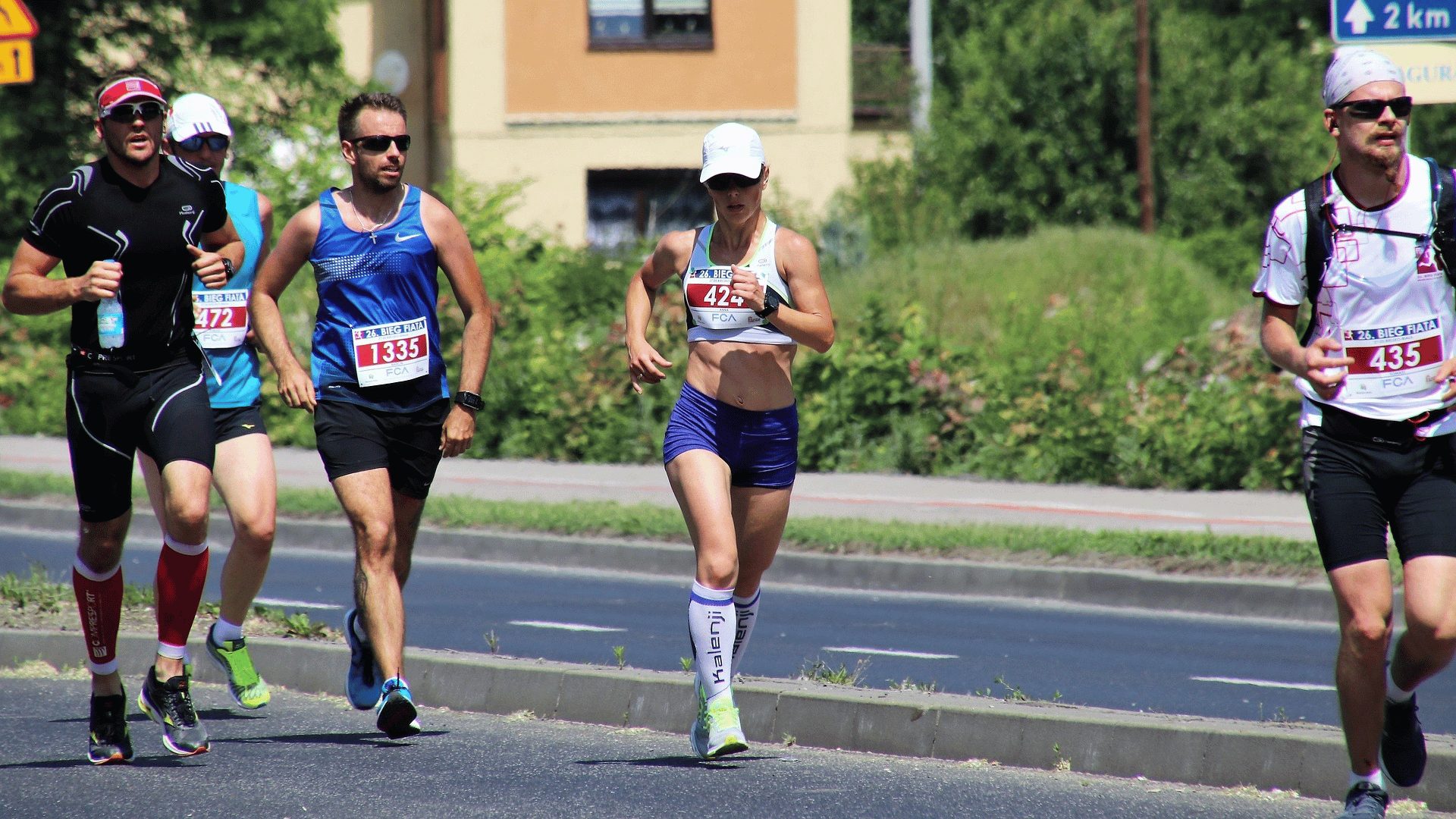
Training for a marathon is an exciting challenge - but it also places significant demands on your body. For many first-time and amateur runners, injuries such as knee pain, Achilles issues, shin splints, or hip problems can derail months of hard work.
At Macfarlane Physiotherapy, we help runners train smarter, stay healthy, and reach the start line feeling confident. Our marathon training support combines expert physiotherapy with advanced Run3D gait analysis to reduce injury risk and support consistent training.
Why Injuries Happen During Marathon Training
Most marathon training injuries are not caused by one single run - they develop gradually as training volume increases.
Common risk factors include:
- Sudden increases in mileage or intensity
- Running with inefficient movement patterns
- Muscle imbalances or strength deficits
- Previous injuries that haven’t fully resolved
- Fatigue altering your running mechanics
Many runners continue training through early warning signs, only seeking help once pain becomes limiting. Our approach focuses on preventing problems before they stop your training.
Run3D Gait Analysis: Your Injury Insurance Policy
Think of a Run3D gait analysis as an insurance policy for your marathon training.
Using high-speed cameras and detailed biomechanical analysis, Run3D allows us to assess how you run in real time. This gives us insights that can’t be seen with the naked eye.
What We Assess
- Foot strike and loading patterns
- Cadence and stride length
- Pelvic and trunk control
- Hip, knee, and ankle alignment
- Asymmetries that increase injury risk
By identifying inefficient or high-risk movement patterns early, we can make targeted changes before pain develops, rather than reacting once an injury has already set you back.
How We Support Your Marathon Training
Your assessment doesn’t stop at gait analysis. We take a full, runner-focused approach.
Your Marathon Support May Include:
- Run3D gait analysis with clear explanation of findings
- Individualised strength and conditioning programme
- Running technique and cadence guidance
- Load management advice to match your training plan
- Early treatment of niggles before they become injuries
- Progress reviews as training volume increases
Everything we recommend is practical, realistic, and designed to fit around your existing training schedule.
Perfect for First-Time Marathon Runners
If this is your first marathon, you’re asking your body to do something it’s never done before. Small inefficiencies that don’t matter over 5–10km can become significant over 26.2 miles.
This service is ideal if you:
- Are training for your first marathon or half marathon
- Want reassurance that your body is coping with training
- Have had previous running injuries
- Are increasing mileage for the first time
- Want to finish your marathon strong, not just survive it
You don’t need to be injured to benefit - many runners use gait analysis as a proactive check-up early in their training block.
Train With Confidence
Marathon training should be challenging - but it shouldn’t be a constant battle with pain or uncertainty.
Delivered by physiotherapists with specialist experience in running-related injuries, the Stirling Running Clinic is designed to support amateur and first-time marathon runners who want confidence in their training—not guesswork.
Train Smart. Stay Injury-Free. Reach the Start Line Confident
Marathon training is a big commitment - don’t let preventable injuries undo your hard work. Through the Stirling Running Clinic at Macfarlane Physiotherapy, we provide expert physiotherapy support and advanced Run3D gait analysis to help runners train safely and consistently.
Whether you’re just starting your training plan or already building mileage, a proactive assessment through the Stirling Running Clinic can help identify early risk factors, reduce injury risk, and keep your training on track.
Start with a consultation appointment and take the first step towards a Run3D gait analysis and running assessment to support your marathon training.
 Graduate Sport Rehabilitators (GSRs) are degree trained healthcare professionals who specialise in musculoskeletal (MSK) conditions and injuries. They provide a spectrum of services aimed at rehabilitation, injury prevention and performance enhancement. A GSR has completed a British Association of Sport Rehabilitators and Trainers (BASRaT) accredited 3-year BSc honours degree or an accredited master’s degree with more than 400 Hours in placements ranging from professional and high level sports teams, Military events, Prisons, Private and NHS clinics amongst others.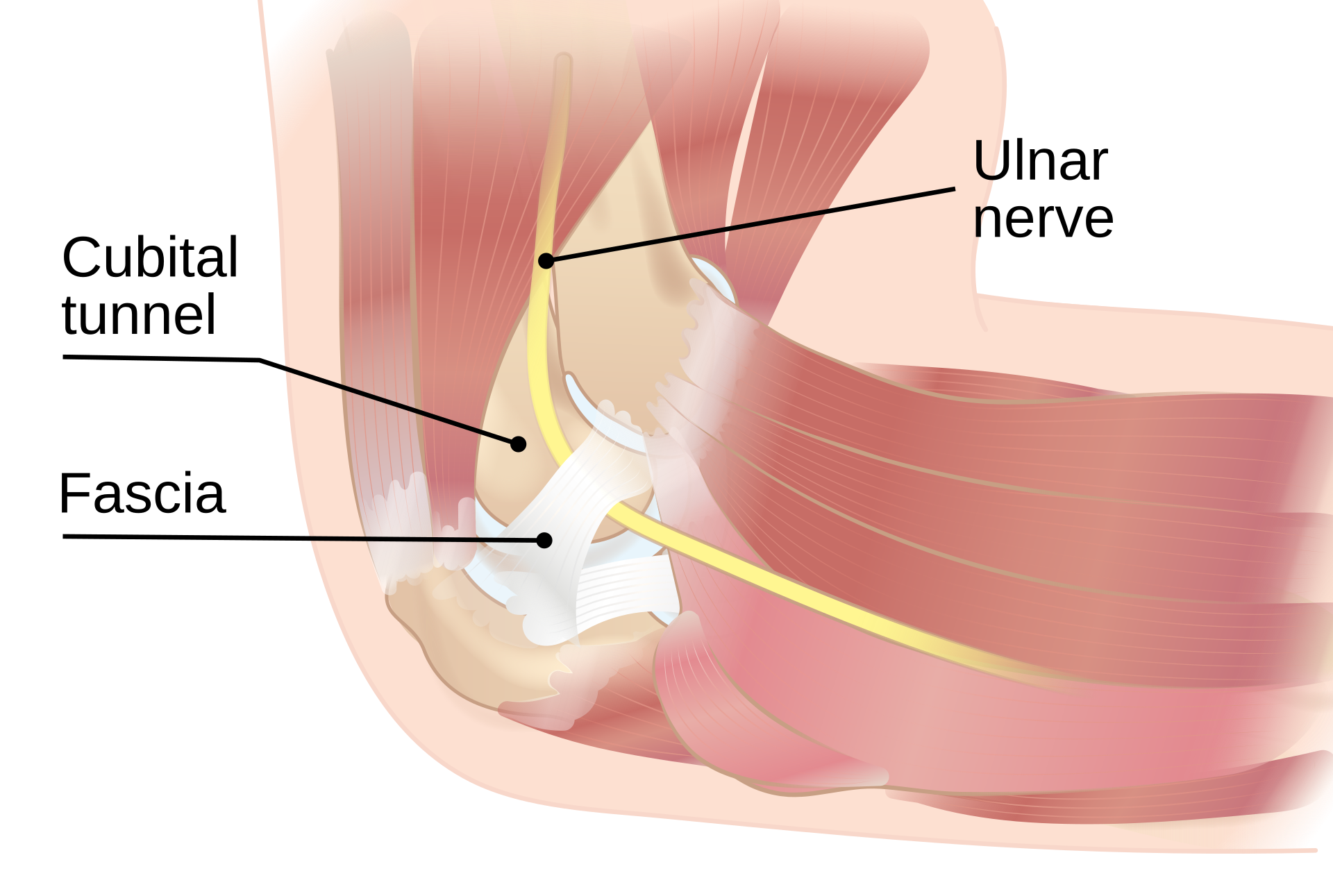
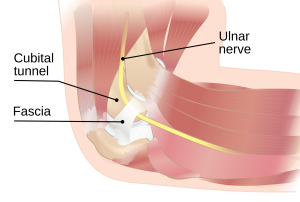 Did you know that your funny bone isn’t a bone? It’s the ulnar nerve. The largest nerve in the body that is not protected by muscle or bone, which is why it is so prone to injury and irritation in the cubital tunnel.